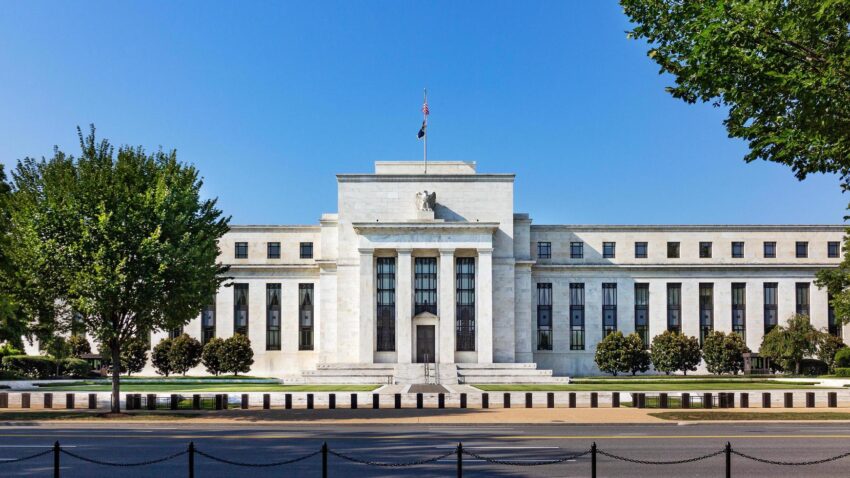
Federal Reserve interest rates remained unchanged following the central bank’s July meeting, signaling borrowing costs are likely to stay elevated for homeowners, businesses and consumers. The decision means financing a home, expanding a business or carrying credit card debt will probably remain expensive in the months ahead.
The Federal Open Market Committee voted 9-3 to maintain the federal funds rate in a target range of 3.5% to 3.75%. It marked the first time since 2016 that three Federal Reserve policymakers dissented in the same direction, with each supporting a rate increase to continue addressing inflation.
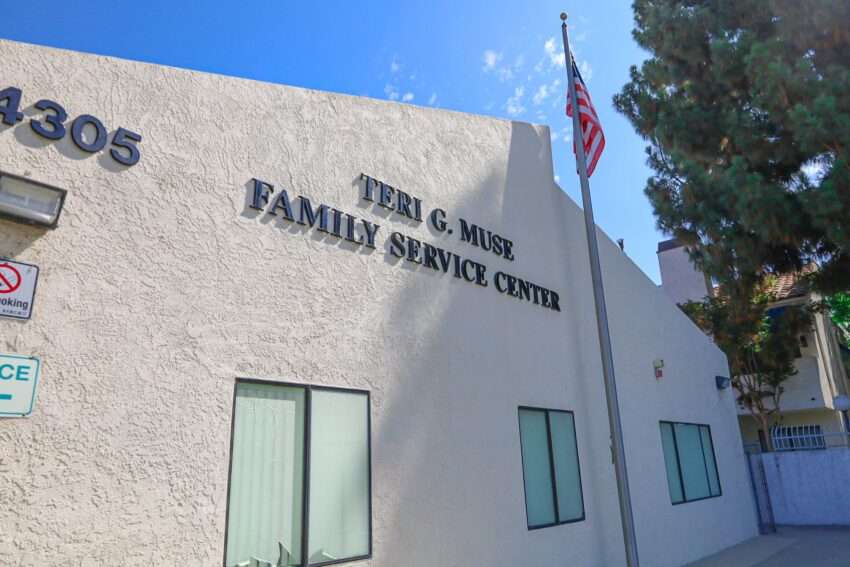
For residents across the San Gabriel Valley, including El Monte, South El Monte, Baldwin Park, Rosemead and Irwindale, the announcement reinforces financial conditions that have shaped household budgets and business decisions during the past two years.
The Federal Reserve seeks to promote stable prices and maximum employment. Higher interest rates help slow inflation by reducing borrowing and spending, while lower rates encourage economic activity when growth weakens.
Although inflation has eased from recent highs, Federal Reserve officials said it remains above the central bank’s long-term target of 2%. Rising energy costs and geopolitical uncertainty continue to complicate efforts to return inflation to that goal.
Federal Reserve Interest Rates Affect Local Economy
The broader economy has continued to show resilience despite elevated borrowing costs. Gross domestic product grew at an annual rate of 1.5% during the second quarter of 2026. Consumer spending remained steady, businesses continued investing in equipment and technology, and unemployment stayed relatively low.
Because economic growth has continued, policymakers have indicated there is little urgency to reduce benchmark interest rates.
The decision also carries important implications for the housing market. While the Federal Reserve does not directly set mortgage rates, its policy decisions strongly influence borrowing costs throughout the financial system. Freddie Mac recently reported the average 30-year fixed mortgage rate reached 6.66%, the highest level in about a year.
Higher mortgage rates have reduced affordability for many first-time buyers while discouraging some homeowners from selling properties financed at much lower rates. Additional information about monetary policy is available from the Federal Reserve at https://www.federalreserve.gov, while current mortgage market data is available from https://www.freddiemac.com.
Borrowing Costs Continue To Shape Decisions
The effects extend beyond housing. Small businesses often depend on loans or lines of credit to purchase equipment, finance inventory or expand operations. Higher borrowing costs increase the expense of those investments, prompting some owners to delay growth plans.
Consumers also continue paying higher interest on credit cards and auto loans, while savers have benefited from improved returns on certificates of deposit and high-yield savings accounts.
Federal Reserve projections suggest benchmark rates could remain between 3.6% and 4.1% through the end of the year. For families and businesses throughout the San Gabriel Valley, that outlook means careful budgeting and long-term financial planning will remain important as borrowing costs continue influencing the local economy.
Keyphrase:
Metadescription:
Word Count: 486