U.S. retail sales slipped slightly in January as weaker auto purchases and lower gas station spending weighed on consumer activity.
The U.S. Department of Commerce reported that retail and food service sales declined 0.2 percent in the first month of 2026. The modest drop followed stronger spending in previous months and reflected softer demand in several key sectors.
Despite the monthly dip, consumer spending remained higher than a year ago. Retail sales in January rose 3.2 percent compared with the same month in 2025, indicating that overall demand remains relatively stable.
Economists often monitor retail sales closely because consumer spending accounts for a large share of the U.S. economy.
Retail Sales Dip Driven By Auto Decline
The January retail sales dip was driven largely by declines in two categories: auto dealerships and gas stations.
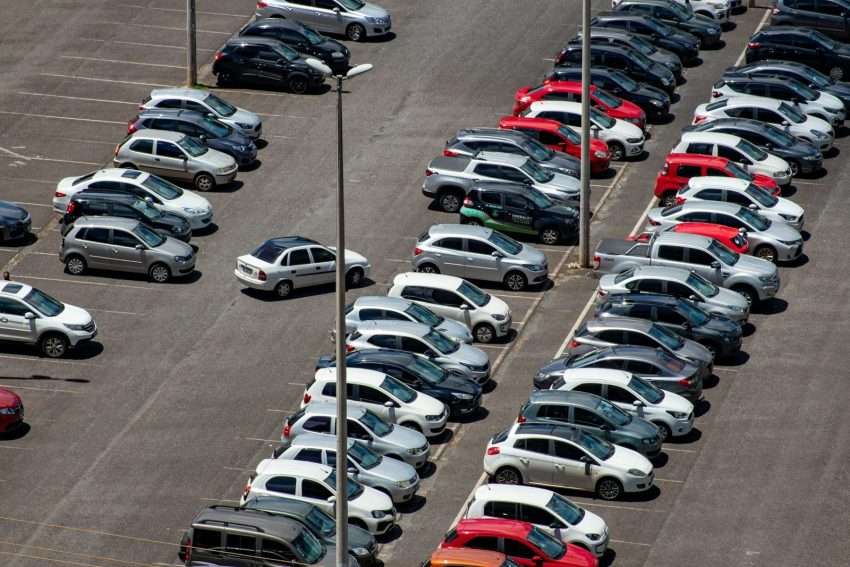
Sales at auto dealers fell 0.9 percent during the month. Gas station sales dropped even more sharply, declining 2.9 percent from December levels.
When those categories are removed, the overall picture appears somewhat stronger. Retail sales excluding autos and gas increased 0.3 percent month over month.
Several retail categories posted modest gains in January. Home furnishing stores recorded a 0.7 percent increase in sales. Building material and garden supply stores rose 0.6 percent.
Nonstore retailers, which include many online sellers, saw the strongest growth among major categories. Sales for those businesses climbed 1.9 percent from the previous month.
Retail Spending Mixed Across Categories
While some sectors improved, others showed signs of weakness.
Health and personal care stores recorded the steepest decline among major retail categories. Sales at those businesses fell 3 percent from December.
Restaurant spending also edged lower. Sales at food service and drinking places declined 0.2 percent in January.
Economists often watch restaurant spending as a sign of consumer confidence in discretionary services. A single monthly drop does not necessarily indicate a long-term shift, but it can signal that households are becoming more cautious with spending.
Retail Spending Outlook For Spring
Consumer spending could receive a boost in the coming months as tax refunds begin reaching households.
Early tax filing data indicates a double-digit increase in tax refunds this year compared with last year. Higher refund totals may provide many consumers with additional cash flow during the spring months.
Those funds often translate into increased retail activity in March and April as households spend on home improvement, electronics, and other purchases.
Even so, broader economic uncertainty could influence consumer behavior. International geopolitical tensions and shifts in energy markets may affect household confidence and spending patterns.
For communities across the San Gabriel Valley, including El Monte, Baldwin Park, and Rosemead, national retail spending trends can influence local businesses. Changes in consumer demand often affect restaurant activity, retail hiring, and small business revenue in local commercial corridors.
For communities across the San Gabriel Valley, including El Monte, Baldwin Park, and Rosemead, national retail spending trends often influence local businesses. Changes in consumer demand can affect restaurant activity, retail hiring, and small business revenue in neighborhood shopping districts.
Readers can review the full national retail sales report from the U.S. Census Bureau at https://www.census.gov/retail/index.html.