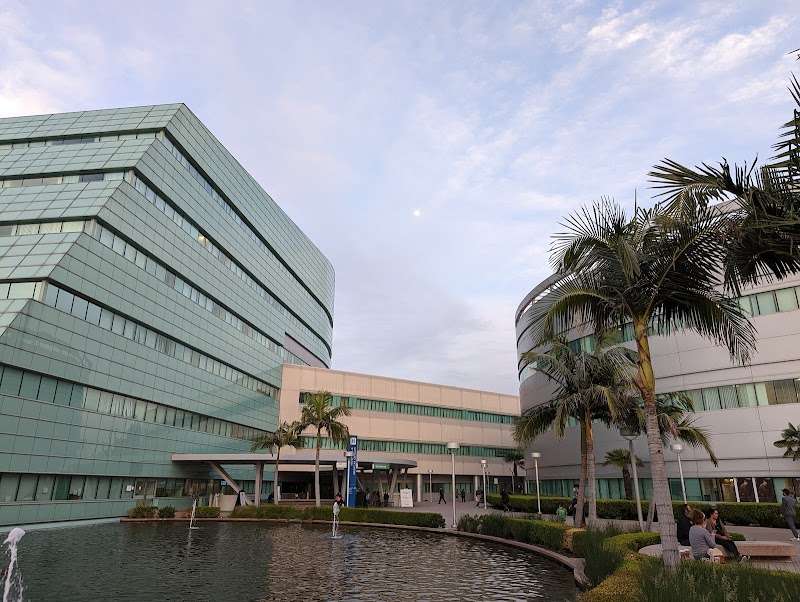
BALDWIN PARK — San Gabriel Valley emergency care is under increasing pressure as hospitals across California treat more patients without adding treatment capacity at the same pace. A newly expanded emergency department at Kaiser Permanente Baldwin Park Medical Center reflects how health systems are responding to that growing demand.
Hospital officials, physicians and community leaders gathered Aug. 5 to mark the completion of the medical center’s renovated emergency department, a project that adds approximately 22,000 square feet and nearly doubles the department’s treatment capacity. The expansion brings the emergency department to nearly 40,000 square feet and includes nearly 60 treatment rooms, six dedicated trauma rooms and specialized treatment areas for behavioral health, orthopedic injuries, maternity emergencies and newborn care.
The investment comes as California emergency departments continue to experience heavier patient volumes. According to the California Department of Health Care Access and Information, the median number of emergency department visits per treatment station increased 18% between 2021 and 2023, rising from 1,274 visits to 1,505 visits per treatment station. The trend suggests hospitals are caring for more emergency patients even as available treatment space remains limited.
“As our communities continue to grow, it is essential that we advance to meet and exceed their health care needs,” said Eugene Cho, senior vice president and area manager for Kaiser Permanente Baldwin Park Medical Center. “When patients walk through our doors, they expect exceptional care during some of life’s most critical moments.”
San Gabriel Valley Emergency Care Adapts
Emergency departments today treat a broader range of patients than in previous decades. In addition to traumatic injuries and cardiac emergencies, hospitals increasingly care for patients experiencing mental health crises, pregnancy-related complications and other complex medical conditions requiring immediate treatment.
The California Hospital Association has reported that emergency department visits statewide increased from about 10 million in 2005 to more than 14.5 million in 2016, with emergency department use growing faster than California’s population during that period. Health care leaders say those long-term trends continue to shape how hospitals plan for future capacity.
At Baldwin Park Medical Center, the expansion focuses on creating specialized treatment spaces instead of simply adding beds. The department now includes a dedicated orthopedic cast room, behavioral health treatment rooms, an obstetrics evaluation room and specialized neonatal equipment for newborn emergencies.
The expanded trauma center features six dedicated trauma rooms. Four use negative-airflow technology to help limit the spread of airborne illnesses, while two positive-airflow rooms help protect patients with weakened immune systems.
“Every patient who comes to the emergency department has unique needs,” said Dr. Vu Nguyen, area medical director for Kaiser Permanente Baldwin Park Medical Center. “These enhancements allow our care teams to provide more personalized care, improve patient flow and deliver timely treatment across a wide range of emergency situations.”
Preparing For Future Growth
The renovation also reorganizes patient care areas into treatment zones with nursing and physician workstations positioned closer to patient rooms to improve response times. A larger waiting room and additional natural light were incorporated into the redesign.
For residents of Baldwin Park, El Monte, South El Monte, Rosemead, Irwindale and neighboring communities, the expansion represents one response to a challenge facing hospitals throughout California. The California Department of Health Care Access and Information reported that the statewide median number of emergency department visits per treatment station increased 18% between 2021 and 2023, underscoring the growing demand on emergency services.
As communities across the San Gabriel Valley continue to evolve, local health systems will likely face continued pressure to expand capacity, improve patient flow and provide more specialized care closer to home.
Additional information on emergency department utilization is available through the California Department of Health Care Access and Information.