
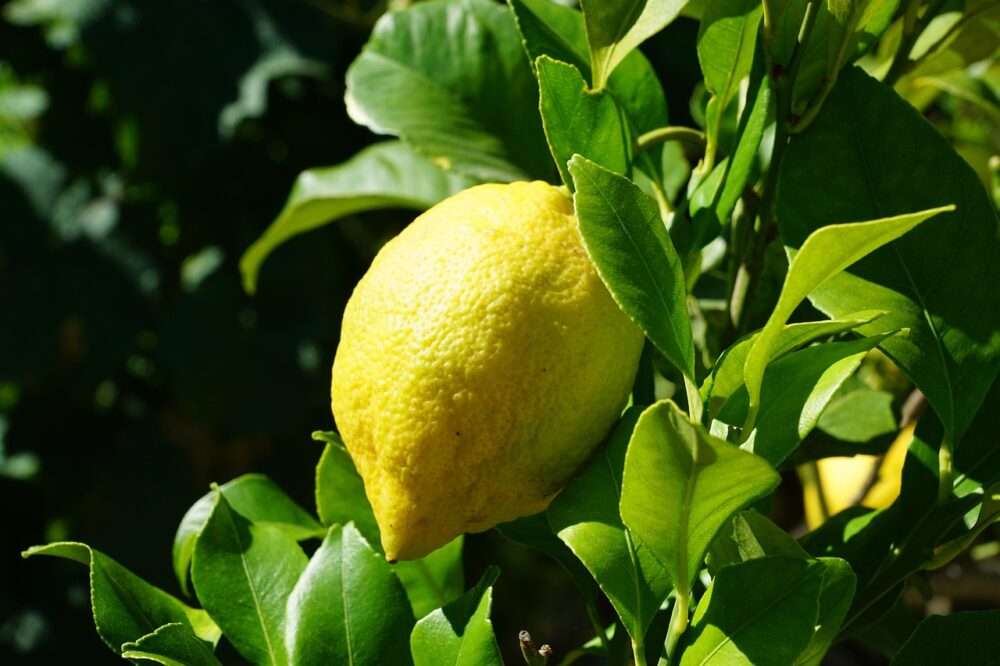
The California Department of Food and Agriculture has declared an emergency program across several San Gabriel Valley neighborhoods after new detections of the Asian citrus psyllid and huanglongbing. The order covers El Monte, South El Monte, Baldwin Park, Rosemead, Temple City, Arcadia, and nearby areas where citrus remains part of backyard life for many residents. State crews will inspect and treat properties within a five mile zone to slow the spread of the pest and disease. The announcement places renewed attention on protecting community citrus trees and explains why early response matters across densely populated blocks.
Why Our Communities Should Care
Huanglongbing kills every infected citrus tree. There is no cure. Many homes in the Mid Valley keep lemons, oranges, or limes that supply regular fruit and hold family value. Once infected, the tree declines and must be removed. The psyllid moves easily between yards, which raises risk for entire neighborhoods. Trees can carry the bacteria long before they show symptoms. That means a healthy looking tree may still support the insect and spread the disease. The regional economy also feels the impact. Local nurseries and landscape businesses depend on healthy citrus stock, so widespread infection creates high costs for growers and homeowners. Protecting community citrus trees helps preserve local yards, shared fruit, and small businesses linked to citrus production.
State Response and Local Action
The emergency order calls for inspections within 250 meters of each detection site. Inspectors take leaf samples for testing at a USDA approved laboratory. Crews use two pesticides to target adult psyllids and developing nymphs. Treatments occur only after residents receive notice at least 48 hours in advance. Any tree confirmed with huanglongbing is removed to prevent further spread. State maps and program details appear at https://www.cdfa.ca.gov/citrus. Residents may call the program hotline at 800-491-1899 with questions or to report unusual symptoms. The order stays active through October 2027 and covers both residential and commercial citrus.
How Residents Can Protect Their Trees
Homeowners can take several steps to slow the spread of the insect. They should check citrus leaves often, paying close attention to new growth where psyllids feed. Curled leaves, waxy residue, and patchy yellow patterns may signal trouble. People should avoid moving citrus plants, cuttings, or trimmings between yards. That movement can transport insects into new areas. Residents should also prune trees with care and place all citrus green waste in sealed bags before disposal. Home composting of leaves may shelter the psyllid, so it should be avoided. Buying citrus only from licensed nurseries helps keep infected plants out of local yards. Healthy trees show changes faster, so regular watering and seasonal feeding support early detection. Swift reporting of unusual symptoms helps inspectors act before the insect reaches nearby homes.
The region has a long history with citrus and many residents value what they grow. Protecting community citrus trees supports that tradition and strengthens the effort to contain a disease that threatens yards across the San Gabriel Valley.
