
Employment growth across the United States continued to cool at the end of 2025, with California showing particularly weak momentum as construction job losses weighed on the state’s labor market.
According to state-level employment data for December 2025, national nonfarm payrolls increased by just 50,000 jobs. Average monthly job gains for all of 2025 slowed to roughly 49,000, a sharp decline from 2024 levels and a sign that the labor market is losing steam after several years of expansion. Nationwide, year-over-year employment growth stood at only 0.4 percent.
The slowdown was uneven across the country. Twenty-two states and the District of Columbia posted modest job gains in December, while 27 states recorded employment declines. States such as Texas and Missouri continued to outperform the national average, supported by population growth and ongoing investment activity.
California Employment Remains Flat
California’s labor market edged slightly lower on an annual basis, reflecting largely flat conditions rather than outright contraction. While the state has avoided the sharper job losses seen in some regions, it has also lagged behind faster-growing states that continue to add workers at a steady pace.
For residents of the San Gabriel Valley, the cooling trend aligns with what many employers and job seekers are experiencing locally. Hiring remains cautious across multiple sectors, with fewer openings and longer timelines for filling positions. Cities such as El Monte, Baldwin Park and Rosemead have seen stable employment levels, but little evidence of strong growth heading into 2026.
Economists note that slower job creation can weigh on consumer confidence, particularly in high-cost regions where housing, transportation and childcare expenses remain elevated.
Construction Jobs Lead The Decline
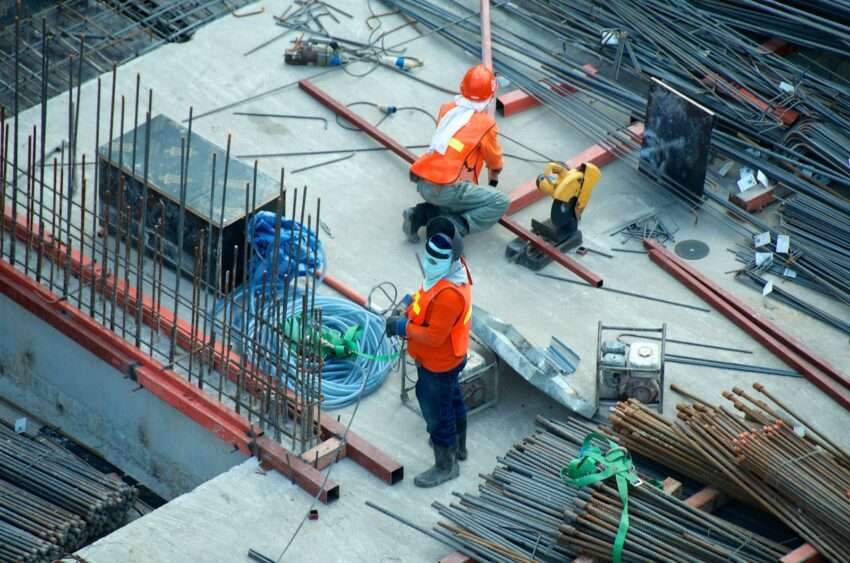
Construction employment showed the most pronounced regional divergence. While construction jobs increased slightly at the national level, California posted the largest year-over-year construction job loss of any state.
The decline reflects a combination of factors, including higher interest rates, softer home sales and a pullback in new residential development. Commercial construction has also cooled as office vacancies remain elevated and financing conditions tighten.
In the San Gabriel Valley, where infill housing and mixed-use projects have driven construction activity in recent years, a slowdown could affect both job opportunities and the pace of new development. Fewer construction jobs may also ripple into related industries such as building materials, transportation and professional services.
Implications For Housing And Growth
The softening labor market may temper housing demand in California during early 2026. Slower job growth can limit household formation and reduce the urgency among buyers and renters, particularly in markets already grappling with affordability challenges.
At the same time, weaker construction employment could constrain future housing supply if developers delay or cancel projects. That dynamic may help prevent a sharp correction in prices, even as demand cools.
While selected regions of the state continue to post moderate gains, the broader data suggest California is entering a period of slower economic momentum. How long that slowdown lasts will depend on interest rates, business investment and whether job growth stabilizes later this year.
More detailed employment data and state comparisons are available through the U.S. Bureau of Labor Statistics at https://www.bls.gov.
