
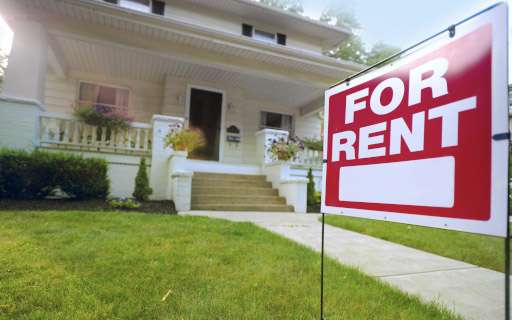
Apartment rents across the United States fell to their lowest January level in four years as rising vacancies and elevated supply continued to weaken landlords’ pricing power at the start of 2026.
According to new data from Apartment List, the national median rent declined to $1,353, a 1.4 percent drop from a year earlier and more than 6 percent below the market’s mid-2022 peak. The slowdown reflects a widening gap between the number of available rental units and the pace of renter demand.
Vacancy rates climbed to a record 7.3 percent nationwide, while the average time to lease an apartment stretched to 41 days. Both indicators point to increased competition among property owners as renters gain more leverage in negotiations.
Rising Supply Outpaces Demand
The softening rent environment follows several years of aggressive apartment construction. Although the national surge in new multifamily development has peaked, a large pipeline of projects continues to deliver new units into the market.
At the same time, demand has cooled as labor conditions soften and household formation slows. Fewer renters are moving quickly, and many are choosing to stay put longer or seek concessions rather than accept higher rents.
Rent declines remain most pronounced in the South and Mountain West, regions that saw rapid construction during the pandemic-era housing boom. In some metros, rents have fallen sharply as thousands of new units compete for a smaller pool of tenants.
California Markets Show Mixed Trends
California presents a more uneven picture. While many inland and suburban markets have begun to see rent stabilization or modest declines, several high-cost coastal metros continue to post slight gains.
Markets such as San Jose and San Francisco are still recording year-over-year rent increases, though growth has slowed considerably compared with earlier years. Limited land availability and high development costs continue to constrain supply in those areas, even as demand moderates.
For renters across the state, easing rent pressures could provide incremental relief after years of steep increases. Slower rent growth may also help cool housing-related inflation, an issue that has weighed heavily on household budgets throughout California.
Local Implications For The San Gabriel Valley
In the San Gabriel Valley, the national trends suggest a gradual shift toward a more balanced rental market. Cities such as El Monte, Baldwin Park and Rosemead have seen steady multifamily development in recent years, and increased vacancies could give tenants more choices and negotiating power.
For property owners and multifamily investors, the data signals near-term headwinds. Elevated vacancies, longer leasing times and the continued use of concessions may pressure revenues through at least the remainder of the year.
While conditions vary widely by neighborhood, the broader slowdown marks a notable change from the tight rental market that defined much of the past decade. More detailed national and regional rent data is available from Apartment List at https://www.apartmentlist.com/research.
Keyphrase:
Metadescription:
Word Count: 486