Residential construction spending rebounded in December, offering cautious optimism for the housing sector entering 2026.
New data from the U.S. Department of Commerce shows total construction spending rose 0.3 percent in December after a 0.2 percent decline in November. Despite the monthly gain, overall outlays were down 0.4 percent compared with December 2024. For all of 2025, construction spending fell 1.4 percent from the prior year.
The turnaround at yearend came largely from renewed activity in homebuilding, a signal that may carry weight for cities across the San Gabriel Valley.
Residential Construction Spending Leads Gains
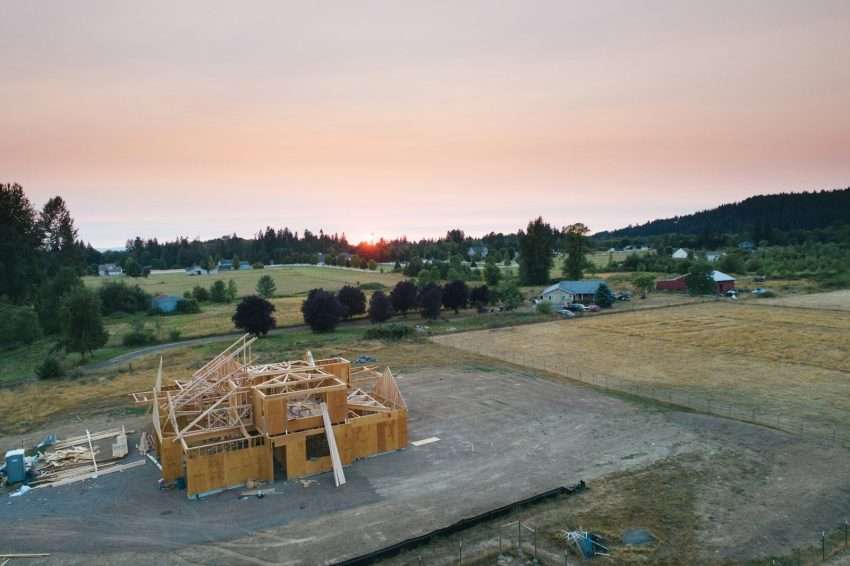
Residential construction spending drove December’s increase. New single-family construction climbed 1.5 percent from November, while new multifamily projects edged up 0.1 percent.
The single-family bump stands out after months of uneven performance in the housing sector. Builders have faced higher borrowing costs, labor shortages and elevated material prices throughout much of the past two years.
Private nonresidential construction told a different story. Spending in that category fell again in December and has contracted for eight straight quarters. The decline persisted even as data center construction surged in response to growing demand for digital infrastructure.
For communities such as El Monte, Baldwin Park and South El Monte, residential trends often translate into local building permits, contractor work and related economic activity. A sustained increase in single-family construction could support jobs and expand housing options in the region.
Interest Rates May Shape 2026 Outlook
Interest rates have trended downward in recent weeks, a shift that could influence construction activity at the start of the year. Lower rates typically reduce financing costs for builders and buyers, which can spur new projects and home purchases.
If borrowing costs continue to ease, residential construction spending could strengthen in 2026. That improvement would follow a year in which total construction activity lagged behind 2024 levels.
Local housing markets in Arcadia, Temple City and Rosemead remain sensitive to both supply constraints and affordability pressures. An uptick in single-family construction may help moderate price growth if new inventory reaches the market.
Economists will watch upcoming federal reports for signs that December’s increase marks a sustained recovery rather than a short-term rebound. For now, the latest figures suggest the residential sector ended the year on firmer footing than it began.
For San Gabriel Valley residents, construction trends affect more than builders. They shape home prices, rental availability and the pace of neighborhood growth. The December rebound in residential construction spending offers a modest but notable signal as 2026 unfolds.