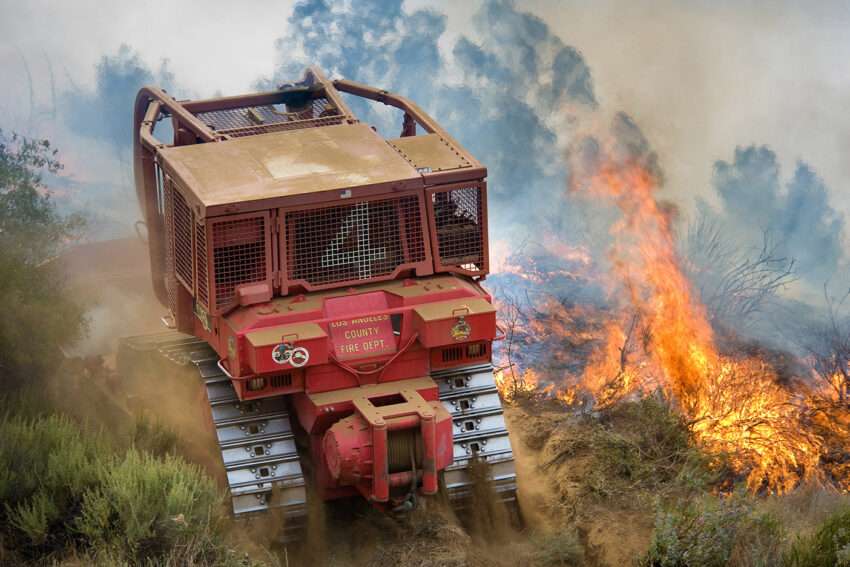
The Defensible Space Inspections Program returns this year as Los Angeles County officials step up wildfire prevention in high-risk areas. The program focuses on vegetation management around homes, but its benefits extend far beyond foothill neighborhoods. Fire officials say defensible space protects entire communities by reducing fire spread, improving emergency response, and limiting regional smoke impacts.
The program is administered by the Los Angeles County Fire Department in partnership with the Los Angeles County Agricultural Commissioner/Weights & Measures. It applies to properties in unincorporated areas mapped within Very High Fire Hazard Severity Zones. These zones include hillside and canyon areas near the San Gabriel Valley.
Why Defensible Space Matters
Defensible space requires property owners to clear hazardous vegetation near structures. Dry brush, overgrown plants, and dead trees act as fuel during wildfire season. When fire reaches developed areas, these fuels increase flame intensity and embers that travel miles ahead of a fire front.
Fire officials classify unmanaged vegetation as a public nuisance under county fire code. That designation allows inspectors to require clearance to protect public safety. Officials stress that vegetation management remains one of the most effective tools to reduce wildfire damage.
Annual Inspections And Notices
Each year, the county issues a Defensible Space Declaration and Inspection List identifying affected parcels. Property owners receive mailed notices advising them of inspection timelines and clearance standards.
Fire personnel or trained program staff conduct inspections. Inspectors evaluate vegetation conditions and compliance with clearance requirements. Properties that fail inspection receive written instructions and a correction period.
If owners do not address hazards within the allotted time, the county may authorize clearance by contractors at the owner’s expense. Fire officials say most owners comply after the first notice.
Training And Public Education
The Fire Department provides annual defensible space training for station personnel to promote consistent enforcement. The department also publishes educational materials that explain clearance zones, plant spacing, and maintenance practices.
Property owners can review program details, notices, and guidance materials on the county fire department website at https://fire.lacounty.gov/fire-hazard-reduction-programs/.
Benefits Beyond Fire Zones
While inspections focus on mapped hazard zones, officials say defensible space benefits all communities. Wildfires do not respect jurisdictional boundaries. Fires that start in foothill areas often threaten valley neighborhoods through wind-driven embers and heavy smoke.
Reducing fuel near structures helps slow fires before they grow into regional disasters. Slower-moving fires give firefighters more options and reduce the demand on mutual aid resources that serve cities throughout the San Gabriel Valley.
Smoke from large fires also affects air quality miles away. Fewer intense fires mean fewer smoke days for residents with asthma, heart disease, or other health risks. Businesses, schools, and transportation systems also face fewer disruptions.
A Shared Responsibility
Fire officials describe defensible space as a shared responsibility that strengthens countywide resilience. Vegetation management around one home can protect neighboring properties and reduce strain on emergency services.
As climate conditions continue to drive longer fire seasons, county leaders urge residents to view the Defensible Space Inspections Program as a community safety measure that benefits everyone, not just those living near open space.